In today’s ever-changing world of pharmaceutical ingredients, finding the right components can truly make or break a business. I remember Dr. John Smith, a well-respected guy in the field, once saying, “Quality pharma ingredients are really the backbone of any successful drug.” That really hits home, right? It just shows how crucial it is to work with reliable suppliers—especially when you're looking at markets like China.
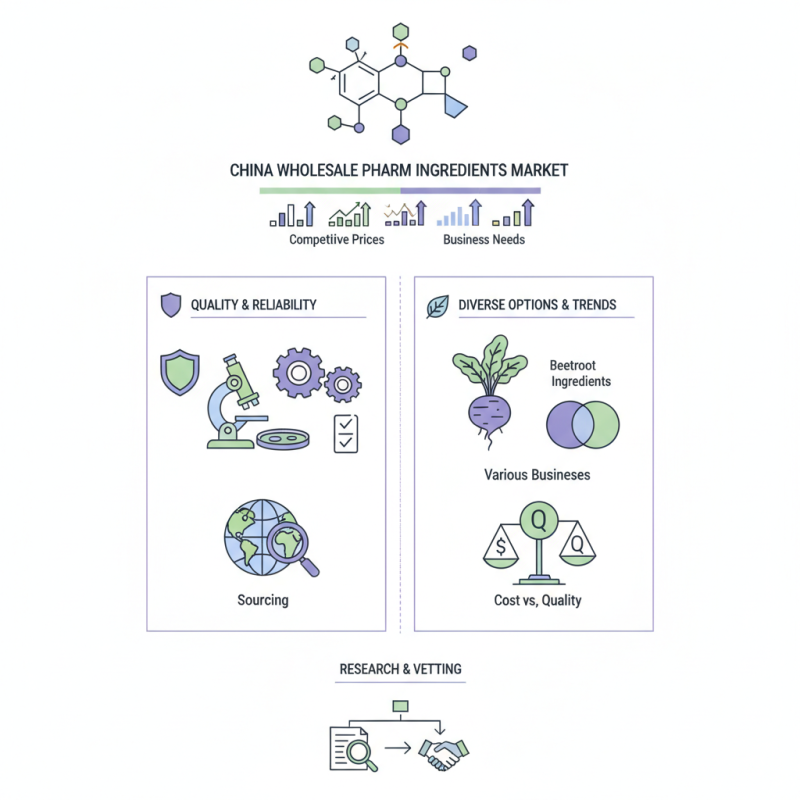
China has definitely stepped up as a major source for high-quality pharma ingredients. They offer seriously competitive prices and tons of options, which is great because every business has its own unique needs. For example, beetroot powder ingredients have become pretty popular lately, thanks to their health benefits. They’re a perfect example of how niche ingredients can really boost your product lineup. But, here’s the thing— not all suppliers are created equal. Some might promise top quality but might not always deliver the same reliable standards, which can be nerve-wracking.
Getting through this tricky market takes some serious due diligence and trust. You definitely want to do your homework, research thoroughly, and vet your suppliers carefully to make sure they follow all the necessary standards. The pharma ingredients scene offers lots of opportunities, but it also calls for careful judgment and smart choices. And don’t forget—striking the right balance between cost and quality is key if you're in it for the long haul.
Pharmaceutical ingredients play a pivotal role in the healthcare industry. Businesses rely on these components for the development of effective treatments. Understanding their characteristics can enhance operational efficiency.
Health Ingredients should meet rigorous quality standards. Inconsistent quality can lead to issues in production and ultimately affect patient safety. It’s crucial to evaluate suppliers based on their certifications and track record.
Tips: Always request documentation that proves the integrity of the ingredients. This can include certificates of analysis and testing results. Compare different suppliers to find the best quality at competitive prices. Building relationships with reliable sources increases trust and accountability.
The importance of Health Ingredients cannot be overstated. They not only impact product effectiveness but also influence consumer trust. Addressing quality issues might not be straightforward, but it is necessary for sustainable business practices. Companies should prepare for potential challenges in the sourcing process.
The wholesale pharmaceutical ingredients market in China plays a pivotal role globally. In 2022, the market was valued at approximately $130 billion, showing a significant annual growth rate of 6%. This growth is fueled by the increasing demand for high-quality ingredients, particularly in the herbal product sector. The surge in interest for natural remedies has driven companies to seek reliable suppliers of Vegetable Powder Ingredients.
Amid this expansive market, key challenges arise. Many suppliers still lack transparency in sourcing and quality control. In recent surveys, over 30% of industry professionals expressed concerns about product consistency and authenticity. The complexity of regulations further complicates the supply chain, making it vital for businesses to select partners with verified histories. In this environment, the importance of supplier audits cannot be overstated.
Given the competition in the wholesale landscape, it’s crucial to stay informed. Reports indicate that around 40% of buyers plan to increase their purchasing volumes, signaling a need for suppliers to adapt quickly. Those who embrace innovation in sourcing and processing will continue to thrive. However, it remains essential for businesses to strike a balance between cost and quality, especially when integrating ingredients like Vegetable Powder Ingredients into their offerings.
In the ever-evolving pharmaceutical sector, pricing of ingredients is influenced by several crucial factors. The cost of raw materials plays a major role. Fluctuations in the availability and quality of these materials can lead to significant price changes. Manufacturers often source ingredients globally, and geopolitical factors can disrupt this supply chain.
Regulatory compliance also adds complexity to pricing. Companies must adhere to stringent safety standards and quality control processes. This can increase production costs. Additionally, the competitive landscape in China impacts pricing strategy. Established manufacturers may have pricing power, while newer players might lower prices to gain market share.
Tips: Always evaluate suppliers thoroughly. Look for those with a solid track record. Regularly review market trends to stay informed about pricing shifts. Furthermore, be cautious of deals that seem too good to be true; they often come with hidden costs or compromised quality. Understanding these factors can empower your business decisions.
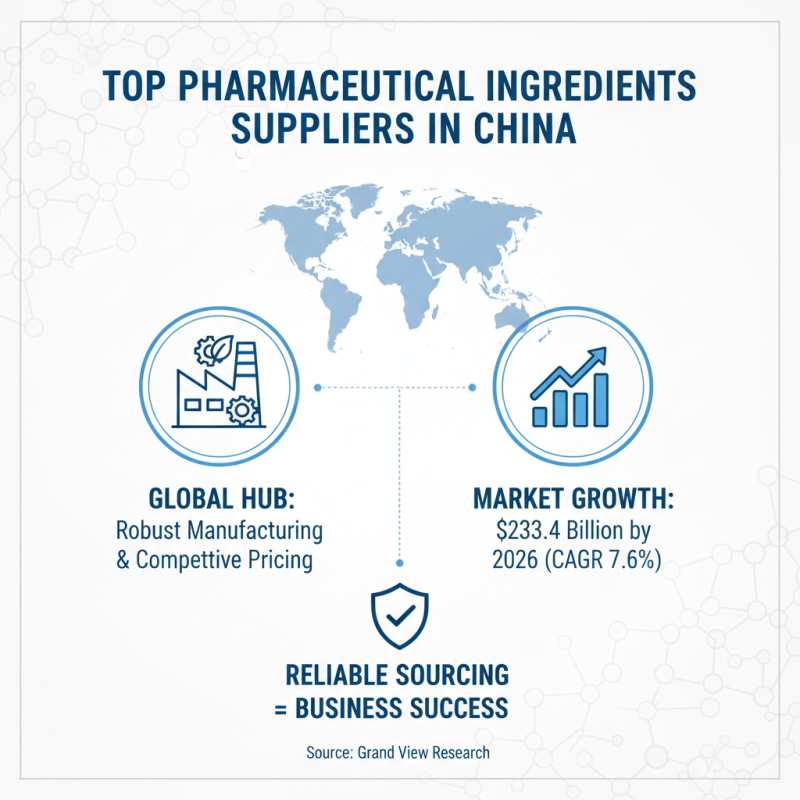
When sourcing pharmaceutical ingredients, choosing the right supplier is critical for business success. China has become a hub for high-quality pharmaceutical ingredients due to its robust manufacturing capabilities and competitive pricing. According to a recent industry report by Grand View Research, the global market for pharmaceutical ingredients is projected to reach $233.4 billion by 2026, growing at a CAGR of 7.6%. This underlines the increasing demand for reliable suppliers in this vital sector.
Top pharmaceutical ingredient suppliers in China provide a wide range of products. They often specialize in Bulk manufacturing, ensuring that clients receive consistent quality and supply. A detailed analysis from Mordor Intelligence highlights that suppliers with strong quality management systems and certifications have a distinct advantage. Reliable suppliers in China invest in technology and skilled labor, but not all facilities maintain the same standard. Businesses must verify suppliers' credentials to safeguard their interests.
While many suppliers focus on the larger pharmaceutical market, an increasing number are branching into areas like Natural Food Ingredients. This diversification reflects changing consumer preferences toward health and wellness products. As the market evolves, companies must adapt, seeking suppliers who can meet their specific needs while maintaining quality. However, the landscape is not without challenges; some suppliers may lack transparency, making it essential for businesses to conduct thorough due diligence.
Navigating the regulations for importing pharmaceutical ingredients can be complex. Understanding the specific requirements of various countries is crucial. Each nation has its own guidelines governing the importation of pharmaceutical ingredients. This can include licensing, labeling, and safety standards.
To ensure compliance, you must research ahead of time. Gather information from official government websites and trade bodies. Engaging with local experts can also provide invaluable insights. It can avoid costly mistakes.
Tips: Keep a checklist of all required documents. Verify them with a knowledgeable consultant. This can help mitigate risks that arise from regulatory missteps.
When it comes to sourcing, consider potential suppliers of Plant Protein Ingredients. Evaluating their compliance with local regulations is essential. This ensures that your products meet safety standards while building trust with your customers. Establishing reliable partnerships can prove beneficial in the long run.
Negotiating with Chinese suppliers can be challenging but rewarding. Establishing a good relationship is key. Start with clear communication. Use simple terms to avoid misunderstandings. Make sure to set expectations from the beginning. Ask questions to confirm details. This will ensure both parties are on the same page. It’s wise to learn a few basic phrases in Mandarin. This shows respect and can strengthen your relationship.
Price is often the starting point of negotiations. Research the market prices for pharmaceutical ingredients before discussions. Having this knowledge gives you leverage. When discussing prices, don’t rush. Be prepared to walk away if the deal doesn't feel right. Counteroffer respectfully and state your reasoning. This can lead to better terms. Remember, negotiation is a two-way street. Listen carefully to the supplier's constraints and needs.
Be mindful of cultural differences. Chinese suppliers may expect more flexibility. They often value long-term partnerships over short-term gains. Consider offering larger orders in exchange for lower prices. This can benefit both sides. Stay patient and open-minded during the process. Not every negotiation will meet your expectations, but each offers a learning opportunity.
Choosing quality pharmaceutical ingredients is crucial for any business involved in health and wellness. The right suppliers can enhance product efficacy and safety. It's also a complex process, often filled with pitfalls. Research is key. Look for suppliers with a solid reputation and verify their certifications. This adds a layer of trust to your sourcing decisions.
You might want to conduct on-site inspections. This allows you to assess the quality of their facilities. Engaging in direct communication with suppliers can also uncover their commitment to quality. Don't hesitate to ask for samples before making bulk orders. Observing the response time and support during this phase is revealing.
Regulatory compliance is another vital aspect. Ensure that suppliers adhere to local and international guidelines. This not only safeguards your business but also enhances consumer trust. Always consider feedback from industry peers. Gathering insights from others can help avoid potential mishaps in your sourcing journey. Make decisions carefully; each choice shapes your brand’s reputation.
| Ingredient Name | CAS Number | Purity (%) | Price (USD/kg) | MOQ (kg) |
|---|---|---|---|---|
| Acetaminophen | 103-90-2 | 99 | 20 | 10 |
| Ibuprofen | 15687-27-1 | 99 | 25 | 5 |
| Metformin | 657-24-9 | 99 | 18 | 20 |
| Aspirin | 50-78-2 | 99 | 22 | 15 |
| Amoxicillin | 26787-78-0 | 99 | 30 | 10 |
: They are essential for developing effective treatments and enhancing operational efficiency in healthcare.
Inconsistent quality may lead to production issues, which can ultimately compromise patient safety.
Assess suppliers based on their certifications, track record, and integrity documentation.
It safeguards business interests and ensures consistent quality in the sourcing process.
They should seek suppliers who meet specific needs, especially in health and wellness products.
Establish clear communication, research market prices, and build good relationships for better leverage.
It can lead to more flexibility and stronger partnerships, as differences may affect negotiation tactics.
Stay open-minded and use each negotiation as a learning opportunity for future discussions.
Lack of transparency can be an issue, necessitating thorough due diligence in sourcing.
Build relationships with reliable suppliers and always request documentation proving ingredients’ integrity.
The article titled "China Best Wholesale Pharm Ingredients Pricelist for Your Business Needs?" provides a comprehensive overview of the pharmaceutical ingredients market in China. It emphasizes the critical role that pharm ingredients play in the pharmaceutical industry, highlighting their importance for businesses. The discussion includes key factors influencing pricing, such as supply and demand dynamics, regulatory considerations, and quality assurance.
Moreover, the article outlines the top suppliers of pharm ingredients in China and offers practical advice for importing these substances, including navigating regulations and negotiating prices effectively with suppliers. It concludes with best practices for selecting high-quality pharm ingredients, ensuring that businesses can make informed decisions that align with their operational needs. Overall, this article serves as a valuable resource for companies seeking to source pharm ingredients from China, offering insights into both the market landscape and strategic procurement approaches.